The Ultimate Guide to DOT Compliant Drug Testing for Businesses in Sewell, NJ
FP
Running a business in Sewell, NJ, requires adherence to various regulations, especially for those in industries governed by the Department of Transportation (DOT). Ensuring DOT compliance in drug testing is not only a legal obligation but also a vital part of maintaining safety and integrity in your operations. This guide will walk you through the essentials of DOT-compliant drug testing for your business.
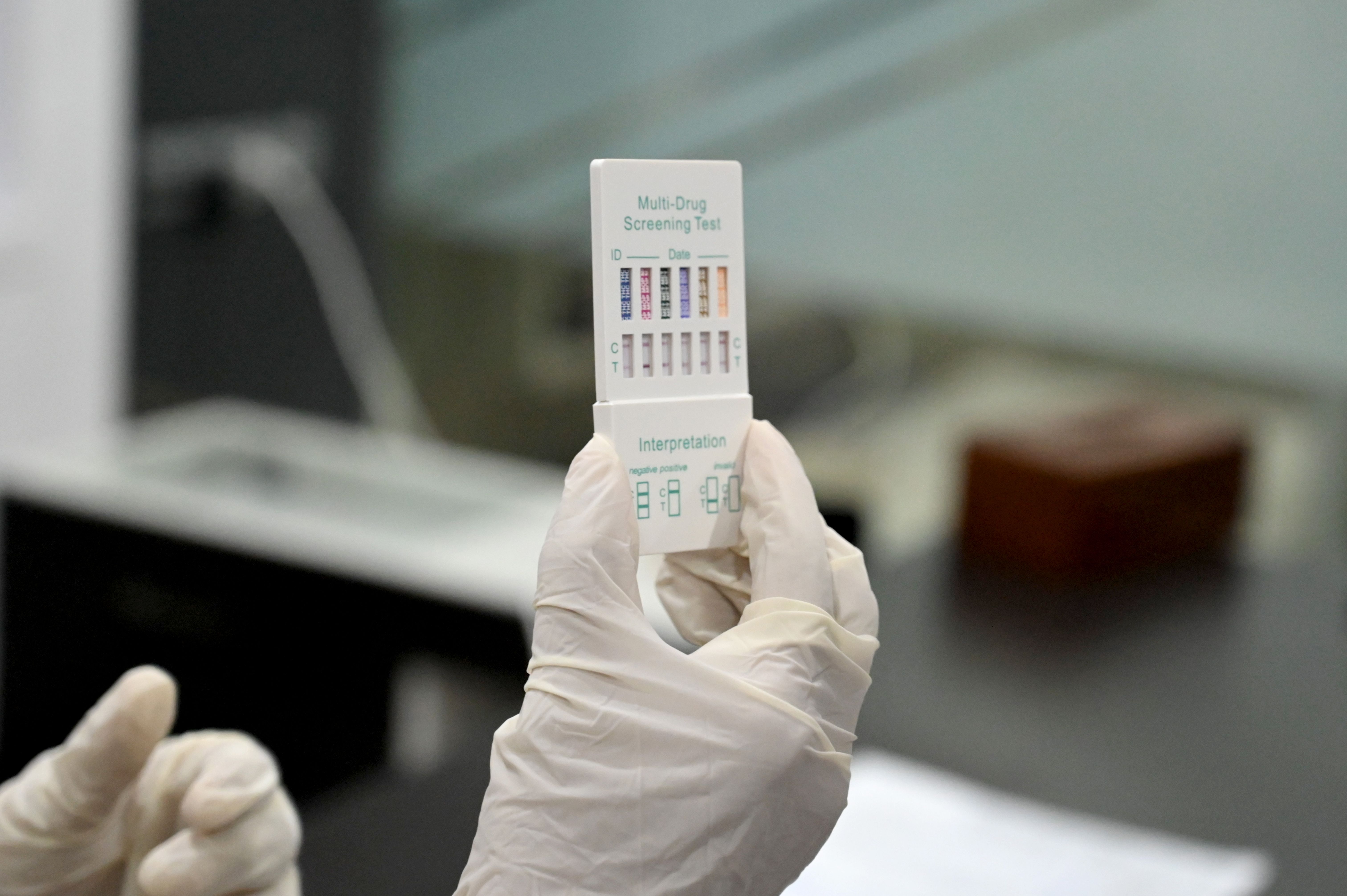
Understanding DOT Compliance
The DOT mandates drug and alcohol testing for safety-sensitive employees, which includes those in transportation sectors such as trucking, aviation, and public transit. These regulations are designed to ensure that employees are not impaired while performing duties that could impact public safety. Being DOT compliant means adhering to strict guidelines on when and how testing should occur.
Who Needs to Be Tested?
DOT regulations require testing for employees in safety-sensitive positions. This typically includes drivers holding a commercial driver’s license (CDL), pilots, and railway workers, among others. Identifying who falls under this category in your business is crucial for compliance.
Types of DOT Drug Testing
There are several types of drug testing required under DOT regulations, including:
- Pre-employment Testing: Conducted before hiring to ensure new employees are drug-free.
- Random Testing: Unannounced tests to deter ongoing drug use.
- Reasonable Suspicion Testing: Testing based on observable signs of drug use.
- Post-Accident Testing: Mandatory after certain types of accidents.
- Return-to-Duty Testing: Conducted after a violation to ensure an employee is fit to return.

Implementing a DOT Drug Testing Program
Creating a comprehensive drug testing program begins with a clear policy. This should outline the objectives, procedures, and consequences of non-compliance. Training supervisors to recognize signs of drug use and understanding how to handle testing sensitively and legally is also essential.
Choosing a Testing Provider
Selecting a reliable testing provider is a critical step. Look for providers who are certified and experienced in DOT regulations. They should offer comprehensive services, including sample collection, laboratory analysis, and secure reporting.
Maintaining Records and Compliance
Proper record-keeping is a vital part of DOT compliance. Records must be maintained for all testing and should include details such as test dates, results, and actions taken. Regular audits of your drug testing program will help ensure ongoing compliance and identify areas for improvement.

Staying Informed on Regulations
DOT regulations can change, so staying informed is essential. Regularly reviewing updates from the DOT and participating in industry seminars or workshops can keep your business compliant. Consider subscribing to relevant newsletters or joining local industry groups for the latest information.
Conclusion
Ensuring DOT compliance in drug testing can seem overwhelming, but with a structured approach, it becomes manageable. By understanding the requirements, implementing a solid testing program, and keeping meticulous records, your business in Sewell, NJ, can maintain safety and compliance. Remember, the goal is not just to adhere to regulations but to foster a safe and responsible work environment.