The Ultimate Guide to DOT Compliant Drug Testing for Businesses
FP
Understanding DOT Compliance
For businesses involved in transportation, adhering to the Department of Transportation (DOT) regulations is crucial. These regulations ensure the safety and reliability of commercial driving operations. A key aspect of these regulations is DOT-compliant drug testing, aimed at maintaining safety standards on the roads.
DOT drug testing is mandatory for drivers operating commercial vehicles that require a commercial driver's license (CDL). The testing process must follow specific guidelines to ensure fairness and accuracy. Understanding these guidelines is essential for employers to remain compliant and avoid potential penalties.
Types of DOT Drug Tests
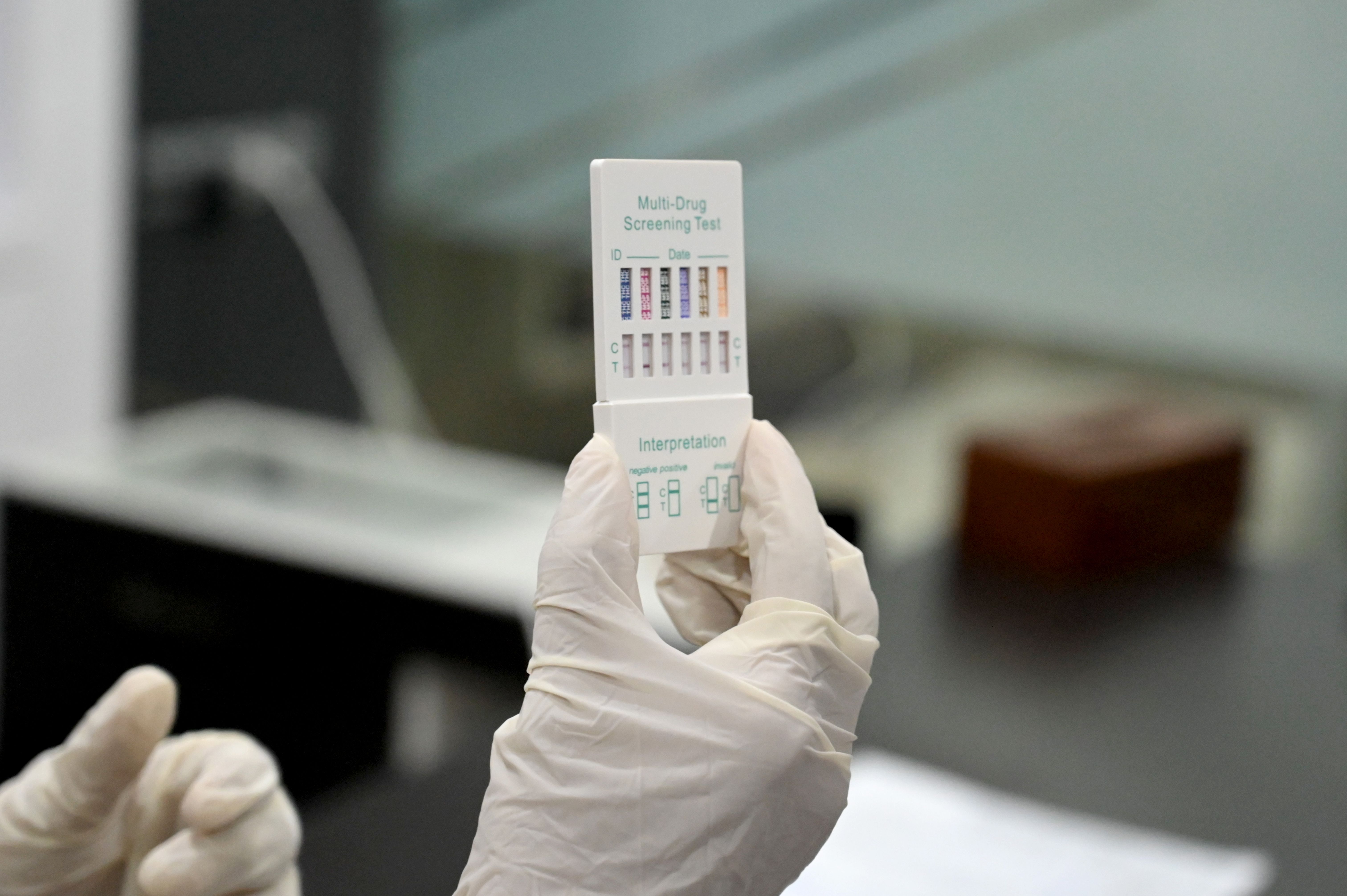
DOT drug testing includes several types of tests that are conducted under various circumstances. The most common tests include:
- Pre-employment Testing: Conducted before hiring to ensure the candidate is drug-free.
- Random Testing: Conducted randomly to deter drug use among employees.
- Post-Accident Testing: Required after certain accidents to determine if drugs were a factor.
- Reasonable Suspicion Testing: Conducted when there is a reason to believe an employee is under the influence.
- Return-to-Duty Testing: Required after a violation to ensure the employee is drug-free before resuming duties.
Implementing a DOT Drug Testing Program
Implementing a compliant drug testing program involves several key steps. First, employers must establish a clear drug and alcohol policy that aligns with DOT regulations. This policy should be communicated to all employees to ensure they understand the requirements and consequences of non-compliance.
Next, employers need to partner with a certified laboratory for testing. The lab must be approved by the Substance Abuse and Mental Health Services Administration (SAMHSA) to ensure the integrity and accuracy of the results. Additionally, employers should designate a qualified Medical Review Officer (MRO) to review and interpret the test results.

Maintaining Records and Reporting
An essential aspect of DOT compliance is maintaining accurate records. Employers must keep detailed records of all drug testing activities, including test results, chain of custody forms, and any related documentation. These records must be kept confidential and stored securely.
Reporting is another critical component. Employers are required to report certain violations to the DOT, ensuring transparency and accountability. Regular audits and reviews of the drug testing program can also help maintain compliance and identify areas for improvement.
Training and Education
Training is vital for ensuring that all personnel involved in the drug testing process understand their responsibilities. This includes training for supervisors on how to recognize signs of drug use and how to handle reasonable suspicion testing.
Employee education is equally important. Providing resources and information about the risks of drug use and the benefits of a drug-free workplace can encourage compliance and promote a safer working environment.

Staying Updated with Regulations
DOT regulations can change, so it’s crucial for businesses to stay informed about any updates or modifications. Regularly reviewing the DOT’s official website and subscribing to industry newsletters can help businesses stay ahead of regulatory changes.
By staying compliant with DOT drug testing regulations, businesses not only adhere to the law but also contribute to a safer and more reliable transportation industry. This commitment to safety and compliance reflects positively on the company’s reputation and operational efficiency.