Case Study: Successful Implementation of Mobile Drug Testing in a Local Sewell Business
FP
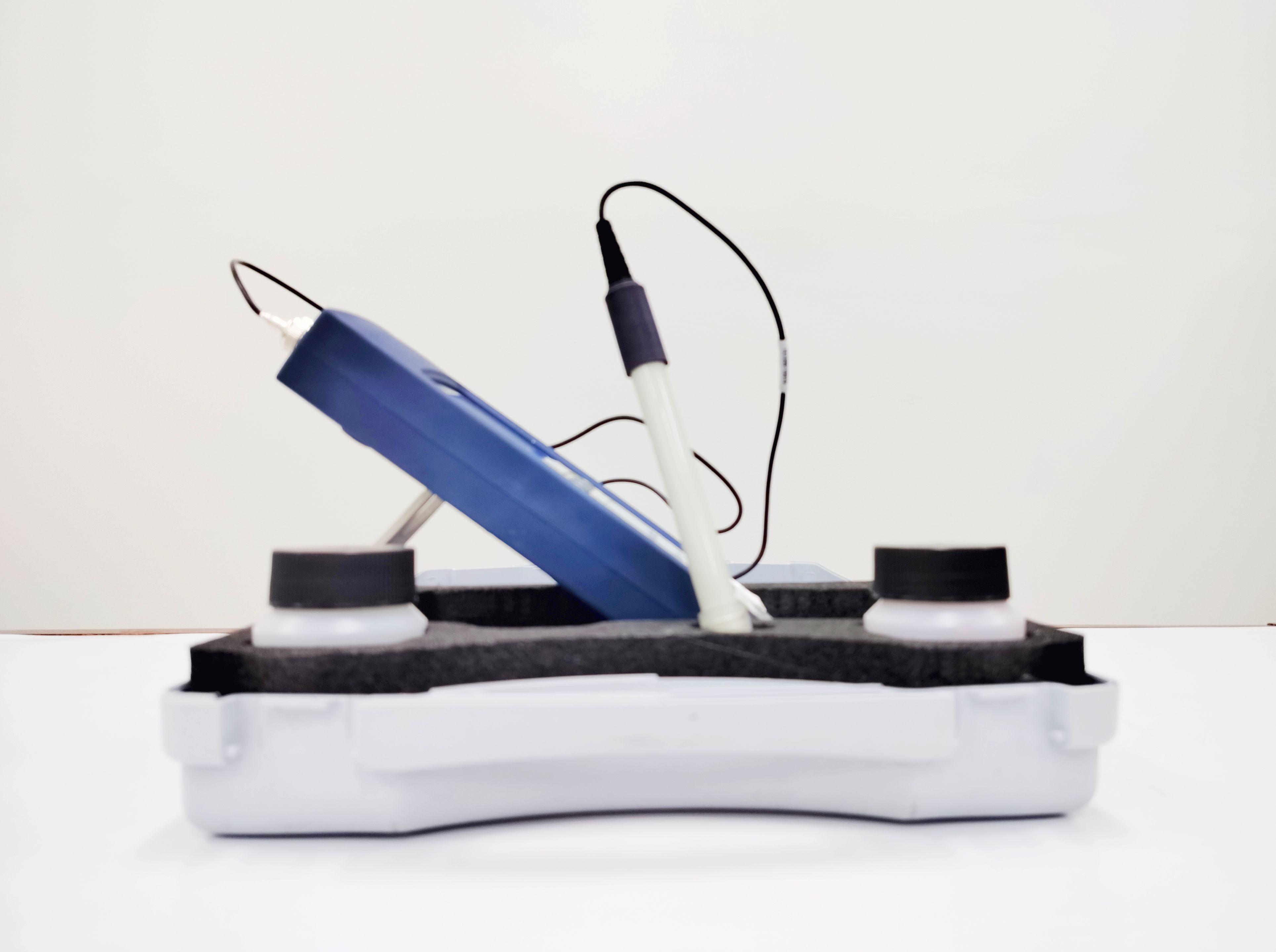
Introduction to Mobile Drug Testing
In today's fast-paced world, maintaining a safe and productive work environment is more critical than ever. A local business in Sewell recently implemented a successful mobile drug testing program, setting a benchmark for other companies in the area. This case study explores how mobile drug testing was seamlessly integrated and the benefits it brought to the organization.
The Need for Drug Testing
Drug testing is essential for ensuring workplace safety and compliance with industry regulations. For the Sewell business, the decision to adopt mobile drug testing arose from a desire to increase efficiency and minimize downtime. Traditional testing methods often required employees to travel offsite, leading to lost work hours and decreased productivity.
Challenges with Traditional Methods
Traditional drug testing methods presented several challenges. Employees had to leave work, which disrupted operations. Additionally, coordinating schedules for testing was cumbersome. These issues highlighted the need for a more streamlined approach, prompting the business to explore mobile solutions.
Implementation Process
The implementation of mobile drug testing involved several key steps:
- Research and Selection: The company researched various providers to find a reliable mobile testing service.
- Training: Employees were educated about the new process and its benefits.
- Logistics: A schedule was coordinated to ensure minimal disruption to daily operations.
Advantages of Mobile Testing
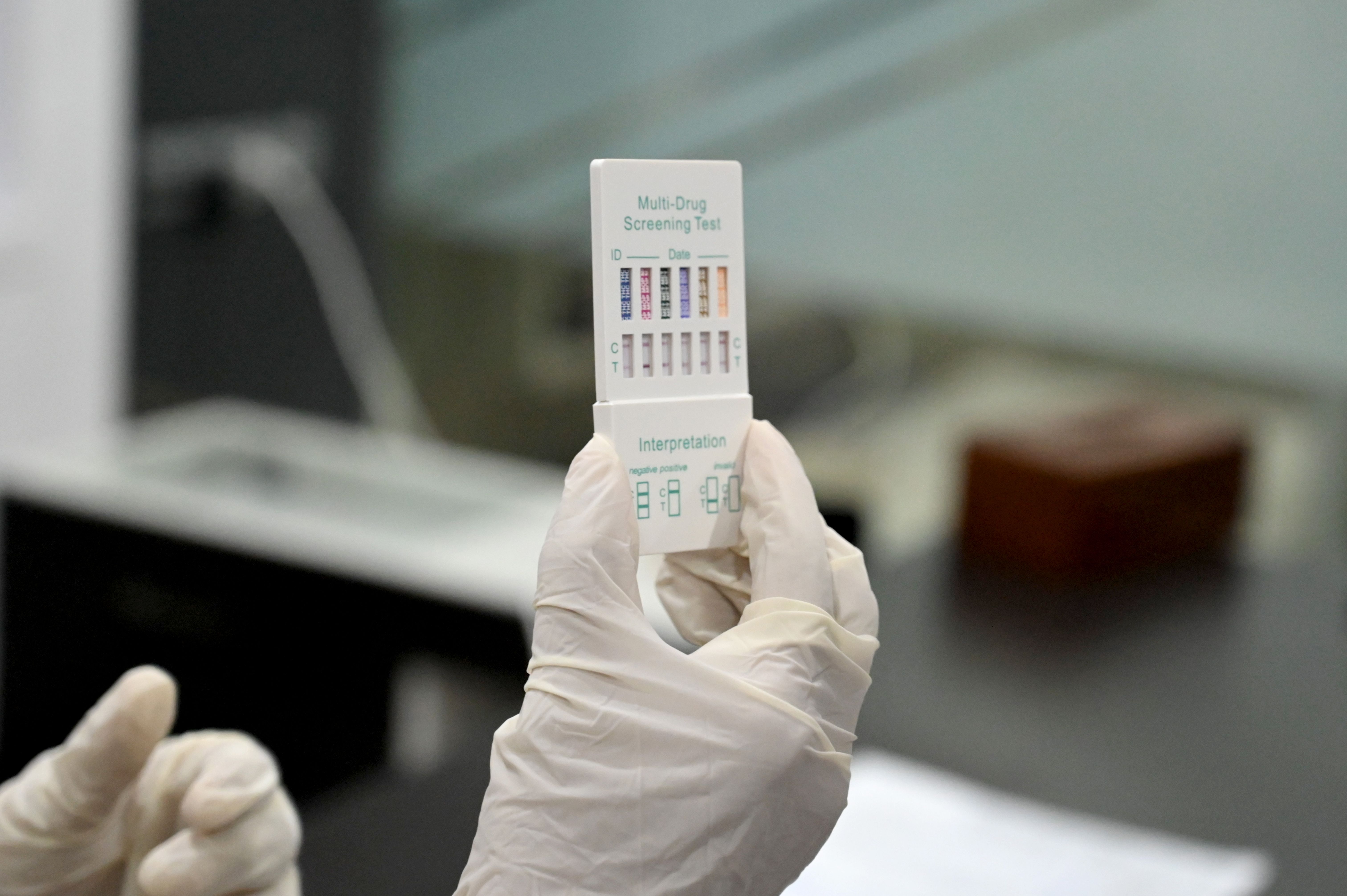
Mobile drug testing offered numerous advantages. It significantly reduced employee downtime by conducting tests onsite. This new approach also allowed for more flexible scheduling, accommodating shift workers and urgent testing needs. Furthermore, the service maintained high standards of confidentiality and accuracy, ensuring trust and reliability.
Positive Outcomes
The introduction of mobile drug testing led to several positive outcomes for the Sewell business. Productivity increased as employees no longer needed to leave work for testing. Additionally, the company experienced a decline in workplace accidents, contributing to a safer environment.

Employee Feedback
Employee feedback was overwhelmingly positive. Many appreciated the convenience and efficiency of the new system. The transparency of the process and the company's commitment to safety also fostered a stronger sense of trust and morale among the workforce.
Conclusion
The successful implementation of mobile drug testing in the Sewell business serves as an excellent model for other organizations. By prioritizing employee safety and operational efficiency, the company not only enhanced its workplace environment but also reinforced its commitment to excellence. As more businesses recognize the benefits of mobile testing, this approach is likely to become a standard practice in various industries.